1. Body composition analysis
DEXA, Bod Pod, and bioimpedance are already available. The problem is cost and accessibility. A DEXA scan costs $100-300. A smart scale costs $50. But smart scales are inaccurate. We need a $20 device that measures body composition accurately. We're not there yet.
2. Continuous glucose monitoring (CGM)
CGMs like FreeStyle Libre and Dexcom G6 are revolutionizing metabolic health. They show real-time glucose responses to food, exercise, sleep, and stress. I've put prediabetic patients on CGMs for 2-week periods, and the behavioral change is immediate. When you see your glucose spike to 180 after a bagel, you stop eating bagels.
The problem: CGMs require prescriptions in the US. They're $70-100 per month. And they're primarily designed for diabetics, not preventive health.
3. Wearable metabolic trackers
Devices like Lumen measure breath ketones to estimate metabolic fuel usage (carbs vs fat). It's clever, but the science is early. I've tried it. It's interesting but not clinically validated.
1. AI-powered body composition from photos
Smartphone apps that estimate body fat percentage from photos. The technology exists — computer vision + machine learning. Accuracy is improving. In 3-5 years, this could be as accurate as bioimpedance.
2. Metabolic blood panels at home
Finger-prick devices that measure glucose, ketones, lipids, and inflammatory markers. Companies are working on this. The challenge is accuracy and FDA approval.
3. Integrated health platforms
Imagine a platform that combines: BMI + waist + body composition + CGM data + sleep + activity + nutrition logging + genetic risk. AI analyzes the patterns and gives personalized recommendations. This is 5-10 years away, but it's coming.
Technology will improve measurement. But the fundamentals of metabolic health won't change:
No device, no algorithm, no calculator replaces these basics. The future of BMI isn't a better calculator. It's a better understanding that health is multidimensional, and weight is just one dimension.
I built the calculators on this site because patients asked for them. Because they wanted starting points. Because the existing calculators were oversimplified and sometimes harmful. But I hope that in 10 years, these calculators are obsolete. Replaced by something better. Something that truly captures the complexity of human metabolic health.
Until then, use BMI as a screening tool. Not a diagnostic. Not a target. And never, ever, let a number define your health.
— James Whitfield
Here's the dirty secret of health innovation: most new technologies fail not because they don't work, but because they're too expensive for the people who need them most. A $300 DEXA scan is clinically useful. But if you're working two jobs and raising kids, you're not spending $300 to find out your body fat percentage. You're spending it on groceries.
The real revolution won't come from Silicon Valley. It'll come from making existing tools cheaper and more accessible. Smart scales are already $30-50. In 5 years, they'll be $15 and accurate enough for clinical use. Smartphone body composition apps are improving rapidly — a 2024 validation study showed that one app estimated body fat within 3.5% of DEXA for 80% of users.
But even cheap tools don't help if people don't know how to use them. I've had patients bring me printouts from their $200 smart scale with 12 different metrics and no idea what any of them mean. "What's visceral fat? What's muscle quality? Why is my metabolic age 47 when I'm 35?" The data is overwhelming without context.
Not AI. Not algorithms. Not blockchain health records (yes, that's a thing, and yes, it's stupid). What excites me is the convergence of three trends:
1. Open-source health data. Projects like Open mHealth and FHIR APIs are making it possible to pull data from multiple sources into a single dashboard. Imagine your BMI, waist circumference, blood pressure, glucose, sleep, and activity data all in one place, updated automatically. That's not futuristic. That's possible now, if you're technically inclined.
2. Community health tracking. I'm part of a group of 200 people in Chicago who share anonymized health data — not to compete, but to understand population-level patterns. We've discovered that winter weight gain in our cohort averages 4.2 pounds, peaks in February, and correlates more strongly with reduced daylight hours than with holiday eating. That's actionable. That's useful.
3. Physician education reform. Medical schools are finally starting to teach nutrition and metabolic health as core competencies, not electives. The next generation of doctors won't reflexively check BMI and move on. They'll ask about waist circumference, body composition, metabolic markers, and lifestyle factors. It'll take 20 years for this to filter through the system, but it's happening.
The wellness industrial complex. The people selling $2,000 biological age tests with no clinical validation. The influencers promoting "metabolic hacking" protocols that are just rebranded eating disorders. The apps that gamify health to the point of obsession.
I've seen patients develop orthorexia — an unhealthy obsession with "clean" eating — after using health tracking apps. I've seen people panic over a single high glucose reading from a CGM. I've seen fitness trackers turn rest days into guilt trips.
Technology is a tool. It's not a replacement for judgment, intuition, or professional guidance. The future of BMI isn't a better calculator. It's a better conversation between patients and providers. It's understanding that health is multidimensional. And it's recognizing that no single number — no matter how sophisticated — can capture the complexity of a human body.
In 10 years, we'll look back at BMI the way we look at bloodletting — a well-intentioned tool that was used far beyond its appropriate scope. But the replacement won't be a single metric. It'll be a dashboard. A conversation. A relationship between data and context.
I built the calculators on this site because patients asked for them. Because they wanted starting points. Because the existing tools were oversimplified and sometimes harmful. But I hope that in a decade, these calculators are obsolete. Replaced by something better. Something that truly captures the complexity of human metabolic health.
Until then, use BMI as a screening tool. Not a diagnostic. Not a target. And never, ever, let a number define your health. You're more than a ratio. You're more than a category. You're a living, breathing, metabolically complex human being. And no algorithm can capture that.
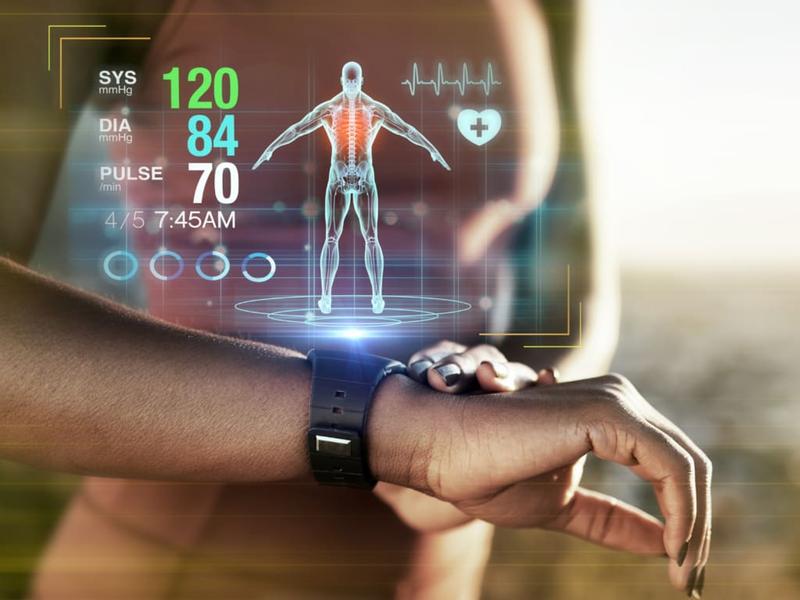
Everyone thinks wearables are the future. Apple Watch, Fitbit, Oura, Whoop — the market is flooded with devices that promise to track your health in real-time. But here's the dirty secret: most of them are measuring proxies, not outcomes.
Your Apple Watch measures heart rate variability, which is correlated with stress, which is correlated with cortisol, which is correlated with visceral fat accumulation. But it's not measuring cortisol. It's measuring HRV. And HRV is affected by sleep, caffeine, alcohol, exercise, hydration, and about 50 other variables. So when your watch tells you your "readiness score" is 72, what it's really saying is "your HRV is 72% of your baseline, which could mean anything."
I've had patients panic because their readiness score dropped from 85 to 65. They thought they were getting sick. They weren't. They'd had two beers the night before. That's it. Two beers = 20-point drop in readiness. The device didn't know about the beers. It just knew the HRV dropped. And it rendered a judgment.
The future isn't better wearables. It's better interpretation of wearable data. Context matters. A low HRV after a hard workout is expected. A low HRV after a rest day is concerning. But most devices don't distinguish. They just give you a number and a color-coded zone. Green = good. Yellow = caution. Red = bad. Health doesn't work that way.
What I'm actually waiting for is a platform that integrates multiple data sources and provides contextual interpretation. Not just "your HRV is low" but "your HRV is low, but your sleep was 9 hours and your resting HR is 52, so this is probably recovery-related, not stress-related." That requires AI. But more importantly, it requires medical oversight. Because algorithms can miss things that human clinicians catch.
Until then, use wearables as data collection tools, not decision-making tools. Track the trends. Look for patterns. But don't let a $400 watch tell you how you feel. Your body is the ultimate wearable. And it's been providing real-time feedback for millions of years.